

ISO 22361 - Crisis Management Systems
ISO 22361 is an internationally recognized crisis management standard that provides a flexible framework applicable across all industries, enabling organizations of any size to build a structured and effective approach to crisis preparedness and response. Rather than focusing solely on crisis response plans, the standard emphasizes the importance of organizational context, core concepts, and guiding principles that support informed and timely decision-making during disruptions. This comprehensive approach allows businesses to not only respond effectively to immediate threats but also proactively identify potential crisis scenarios and implement preventive measures.
A key focus of ISO 22361 is continuous improvement, encouraging organizations to learn from past incidents, conduct regular reviews, and strengthen their crisis management capabilities over time. By adopting this holistic framework, organizations can enhance resilience, minimize operational and reputational impacts, and ensure the safety and well-being of stakeholders. Ultimately, ISO 22361 helps businesses improve crisis readiness, strengthen risk management, and maintain continuity in an increasingly uncertain environment.
ISO 22361 plays a vital role in clarifying how crisis management aligns with broader business resilience functions such as risk management, business continuity, information security, physical security, safety, incident response, and emergency management. By clearly defining these relationships, the standard helps organizations eliminate confusion, improve coordination, and ensure all resilience functions work together seamlessly during a crisis. This alignment strengthens overall organizational preparedness and enhances the ability to respond effectively to complex and high-impact events.
A distinguishing feature of ISO 22361 is its focus on the seven core principles of effective crisis management. Unlike traditional approaches that rely solely on documented plans, this standard emphasizes a strategic and value-driven mindset. It highlights that successful crisis management is not just about having updated procedures, but about how an organization anticipates, interprets, and responds to critical threats in alignment with its core values and long-term objectives. This principles-based approach enables organizations to build a more agile, resilient, and proactive crisis management capability.
Governance means having clear roles, responsibilities, and leadership in place.
Strategy ensures that crisis management is treated as an important part of business planning, with proper support and resources.
Risk management helps organizations understand possible threats and stay aware of changing situations.
Decision-making focuses on making the right choices using accurate information and good judgment.
Communication ensures that clear, honest, and timely information is shared with employees and stakeholders.
Ethics reminds organizations to act according to their values and do what is right during a crisis.
Learning encourages organizations to improve by training their teams and learning from past experiences.
ISO 22361 Benefits to an Organizations
ISO 22361 is a globally recognized crisis management standard that delivers significant benefits for organizations looking to strengthen resilience and improve crisis response capabilities. It enhances crisis preparedness by ensuring businesses are ready to handle disruptions before they occur, while also enabling faster and more effective decision-making under pressure.
The standard supports proactive risk management, helping organizations identify potential threats early and respond strategically to minimize impact. It also promotes clear and consistent communication during crises, which is essential for maintaining trust with employees, customers, and key stakeholders.
In addition, ISO 22361 helps protect brand reputation by guiding organizations to respond in a responsible, structured, and transparent manner. By strengthening business continuity and organizational resilience, it ensures companies can recover quickly, maintain critical operations, and adapt to changing environments with confidence.
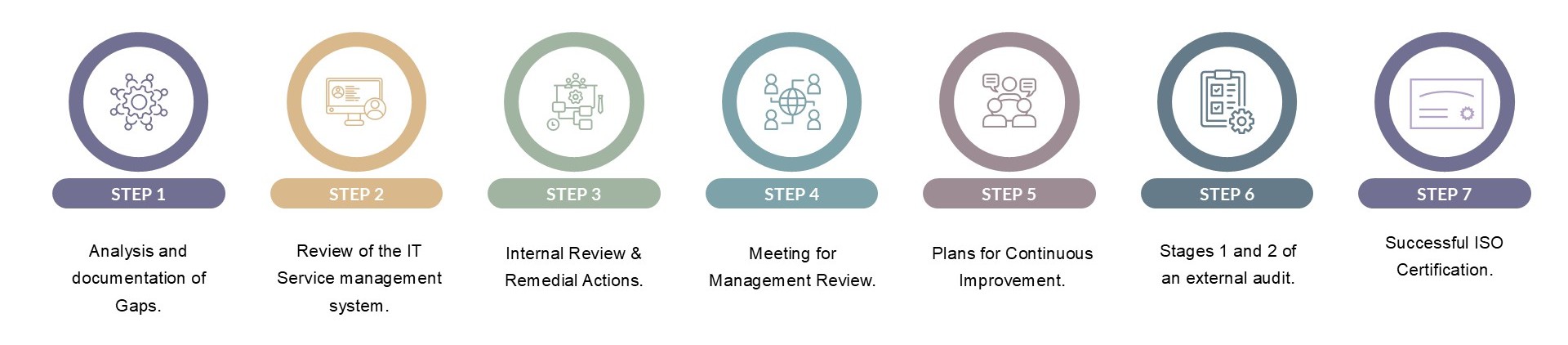
Process of ISO 22361 Certification in UAE
- Provides a structured approach to crisis management
- Improves decision-making during high-pressure situations
- Enhances organizational preparedness for unexpected events
- Supports timely and effective crisis response
- Helps protect reputation and brand value
- Builds stakeholder trust and confidence
- Minimizes the impact of disruptions
- Strengthens communication and coordination during crises
- Clarifies roles and responsibilities
- Supports business continuity and faster recovery
- Reduces operational and financial losses
- Encourages proactive risk identification and management
- Improves overall organizational resilience




















_ Logo.jpg)