

ISO 22320 - Security and resilience Emergency management Guidelines for incident management.
In today’s risk-intensive environment, organizations must be prepared to handle disruptions such as cybersecurity threats, natural disasters, and supply chain disruptions with speed and precision. Without a structured emergency management framework, even minor incidents can escalate into major crises, causing operational downtime, financial loss, and reputational damage.
ISO 22320, a globally recognized emergency management standard and incident management framework, provides a scalable approach to crisis response, emergency preparedness, and business continuity management. It establishes clear roles, leadership structures, and crisis communication protocols, ensuring coordinated and efficient responses during critical situations.
By implementing ISO 22320, organizations can enhance organizational resilience, improve situational awareness, and enable faster, data-driven decision-making. Beyond compliance, it supports a proactive risk management strategy, helping businesses minimize disruptions, protect assets, and maintain continuity in an increasingly unpredictable world.
Purpose of ISO 22320
In today’s complex and high-risk business environment, organizations must be equipped to respond to emergencies with speed, precision, and coordination. The primary purpose of ISO 22320 is to provide a globally recognized incident management framework that enables organizations to manage crises in a structured, consistent, and efficient way. As a leading emergency management standard, it supports effective crisis response, emergency preparedness, and business continuity management across all industries.
ISO 22320 establishes best practices that help organizations shift from reactive responses to proactive and well-coordinated emergency management systems. It ensures that during critical situations, teams can act decisively, follow clear roles and responsibilities, and maintain strong crisis communication protocols. By improving coordination and enhancing situational awareness, ISO 22320 helps minimize disruption, reduce risk, and safeguard operations, people, and assets.
Core Areas of ISO 22320
- Command and Control
Defines clear roles, responsibilities, and leadership structures to ensure fast and effective incident management. - Operational Information Management
Focuses on accurate and timely data to improve situational awareness and support better decision-making. - Coordination and Cooperation
Ensures seamless collaboration and crisis communication across teams and stakeholders for a unified response.
Strategic Importance of ISO 22320
ISO 22320 is a flexible and scalable emergency management standard suitable for organizations of all sizes and industries, including government, healthcare, energy, finance, and manufacturing. It ensures that organizations are not only prepared on paper but can effectively execute their crisis response strategies in real-world situations. Implementing ISO 22320 strengthens emergency preparedness, operational resilience, and crisis management capabilities, enabling faster recovery, minimizing disruption, and boosting stakeholder confidence.
Why Organizations Need ISO 22320
In today’s unpredictable risk environment, ISO 22320 provides the foundation for resilient and agile incident management. It helps organizations respond with clarity, protect critical assets, and maintain business continuity, ensuring they remain competitive during crises. Beyond compliance, adopting ISO 22320 is a strategic investment in risk management, operational resilience, and long-term sustainability.
Why ISO 22320 Matters
In today’s high-risk environment, organizations need a proactive approach to incident management. ISO 22320 provides clear, actionable emergency response plans and equips teams with the tools and coordination needed to handle any disruption.
Implementing ISO 22320 enhances operational readiness, business continuity, and stakeholder confidence, while helping protect lives, secure assets, and maintain uninterrupted operations during crises.
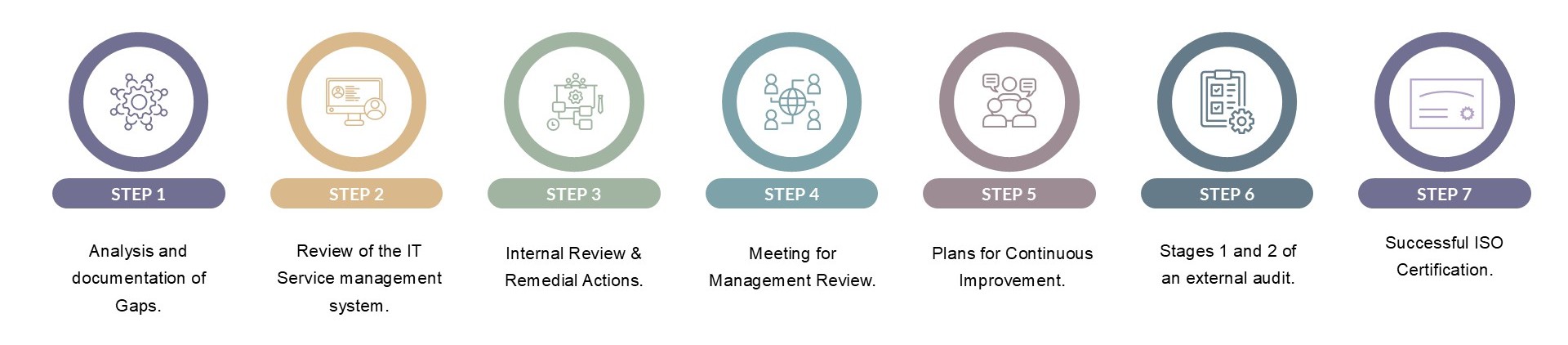
Process of ISO 22320 Certification in UAE
- Improved Emergency Response Efficiency
- Clear Roles and Responsibilities
- Enhanced Decision-Making Under Pressure
- Stronger Coordination Across Stakeholders
- Increased Organizational Resilience
- Reduced Operational and Financial Impact
- Alignment with Global Best Practices




















_ Logo.jpg)